
Changi & SATS Launch Autonomous Wheelchairs
Air travel is taking a significant step forward in accessibility as modern hub operations embrace smart robotics. Through a joint initiative, major aviation operator Changi Airport and ground service handler SATS are introducing self-driving personal transport vehicles designed specifically for travelers navigating sprawling terminal buildings.
Instead of relying solely on staff-driven support, eligible transit passengers with limited mobility can now navigate concourses using automated guidance systems—offering greater autonomy while optimizing airport ground support.
Key Operational Drivers & Benefits
- Seamless Self-Navigation: Passengers select their destination gate via built-in controls, allowing the chair to safely plot and execute its path through crowded corridors.
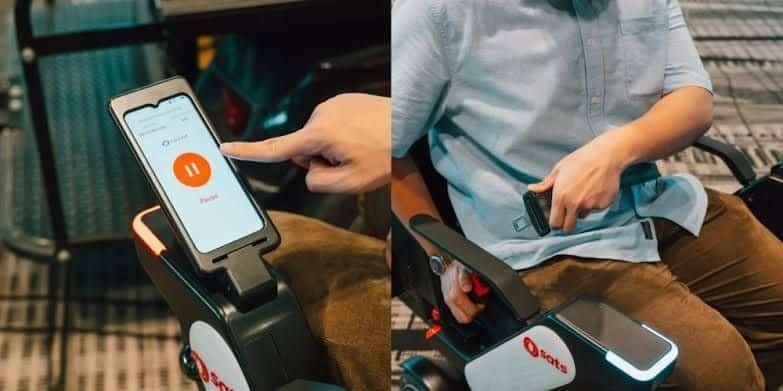
- Smart Safety Infrastructure: Onboard LiDAR, acoustic sensors, and dynamic braking prevent collisions with foot traffic, while integrated seatbelt locks ensure the unit remains stationary until passengers are safely secured.
- Balanced Workforce Support: Automating standardized transit journeys frees up frontline airport teams to provide higher-touch, dedicated care for individuals requiring specialized assistance.
- Fleet Control Hub: Ground supervisors monitor movements from a central operations station, allowing assets to be dynamically redistributed across terminals based on real-time flight demand.
Thoughtful Design & Safety Architecture
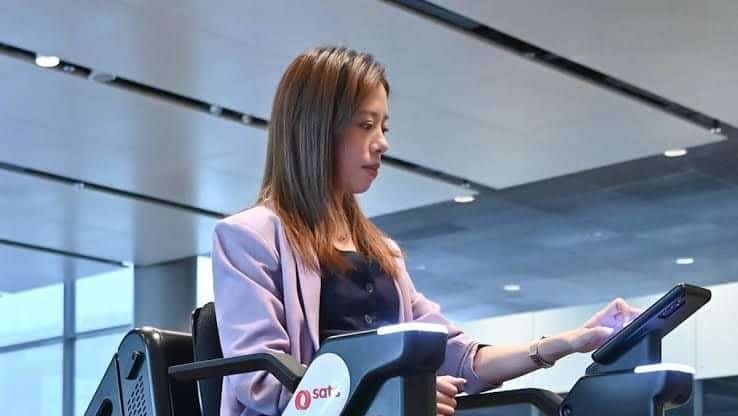
Engineered specifically for busy airport transit environments, every design element prioritizes passenger comfort, safety, and operational simplicity:
- Omni-Directional Wheel System: Specialized wheels allow tight 360-degree turning radii, letting the vehicle navigate tight boarding gate corridors, retail shops, and elevators smoothly.
- Seatbelt Safety Interlock: Movement relies on a smart sensor system—the unit remains locked until the seatbelt is securely clicked in place.
- Intelligent Obstacle Detection: Integrated LiDAR sensors, cameras, and proximity monitors continuously map surrounding foot traffic, automatically slowing down or stopping when pedestrians cross its path.
- Intuitive Armrest Interface: A clear, user-friendly touchscreen on the armrest gives travelers real-time journey updates, a simple “Pause” button, and an instant “Call for Assistance” option.
- Dedicated Luggage Carrier: A built-in rear storage basket allows travelers to keep their carry-on bags and personal items securely onboard throughout the ride.
- Central Control Supervision: Every wheelchair connects to a centralized monitoring hub, allowing airport supervisors to track active routes, step in remotely if needed, and optimize fleet allocation in real time.
How to Access & Availability
Where It Is Available:
- Location: Transit / Airside departure areas of Terminals 2 and 3 at Singapore Changi Airport.
- Target Users: Transfer/transit passengers with reduced mobility (PRMs) who can walk short distances independently and have a transit layover of at least 1.5 hours.
How to Access:
- Step 1 — Pre-Book: Request wheelchair / special mobility assistance through your airline at least 48 hours before your flight.
- Step 2 — Transit Desk Arrival: Upon arriving at Terminal 2 or 3 transit concourses, visit the SATS Special Assistance / Transit Service Desk.
- Step 3 — Eligibility Assessment: SATS ground staff assess suitability (passengers must be able to stand/walk short steps to sit independently).
- Step 4 — Setup & Dispatch: Staff assist with loading cabin bags, program your departure gate into the interface, and initiate the autonomous journey under central remote oversight.
Looking Ahead
With global passenger volumes expanding and aging traveler demographics driving higher demand for special assistance, smart personal mobility bridges the gap between operational efficiency and compassionate service.
By blending high-tech autonomy with real-time supervisory oversight, modern hubs like Changi are establishing a practical blueprint for barrier-free international travel.